
IN THIS ISSUE


Computer Forensics: Managing and Securing Data

On the long path of collecting devices and their digital data from crime scenes and witnesses to the courtroom, where prosecutors need to defend their evidence, there are many points at which the ...
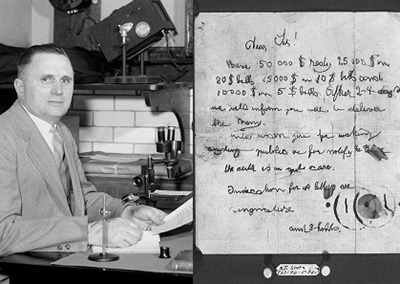
The age-old art of handwriting is in decline. This marks a profound shift in how we communicate, but for one group of experts it also raises an existential question.

DNA evidence preserved after a 1956 double homicide and the use of forensic genealogy has helped a Montana sheriff’s office close the books on the 65-year-old cold case.

Using DNA technology not available to detectives in the 1980s, Gresham Police have identified a Troutdale man as the suspect in the city’s oldest cold case homicide.


|

|

|
The Forensic Newsletter is powered by Labcompare. You are receiving this email because
you are subscribed to our database. Need to change your settings?
Email Settings
or